We have spent the last two days exploring the remote and beautiful Peninsula Valdes, renowned for its marine mammal wildlife. We have been staying at the Estancia Rincon Chico, which has been wonderful. It’s family owned, having been in the same family for 5 generations and whilst the lodge is purpose built for tourism it feels like a family home. The current owner’s great uncle was Minister of Tourism and a good friend of David Attenborough, who has filmed here a few times. The ranch also has a partnership with National Geographic, who regularly film here too.
it’s a small ranch by Argentine standards - only 100km2! - with 20km of totally private and unspoilt coastline to explore. They take a maximum of 10 guests at any one time.
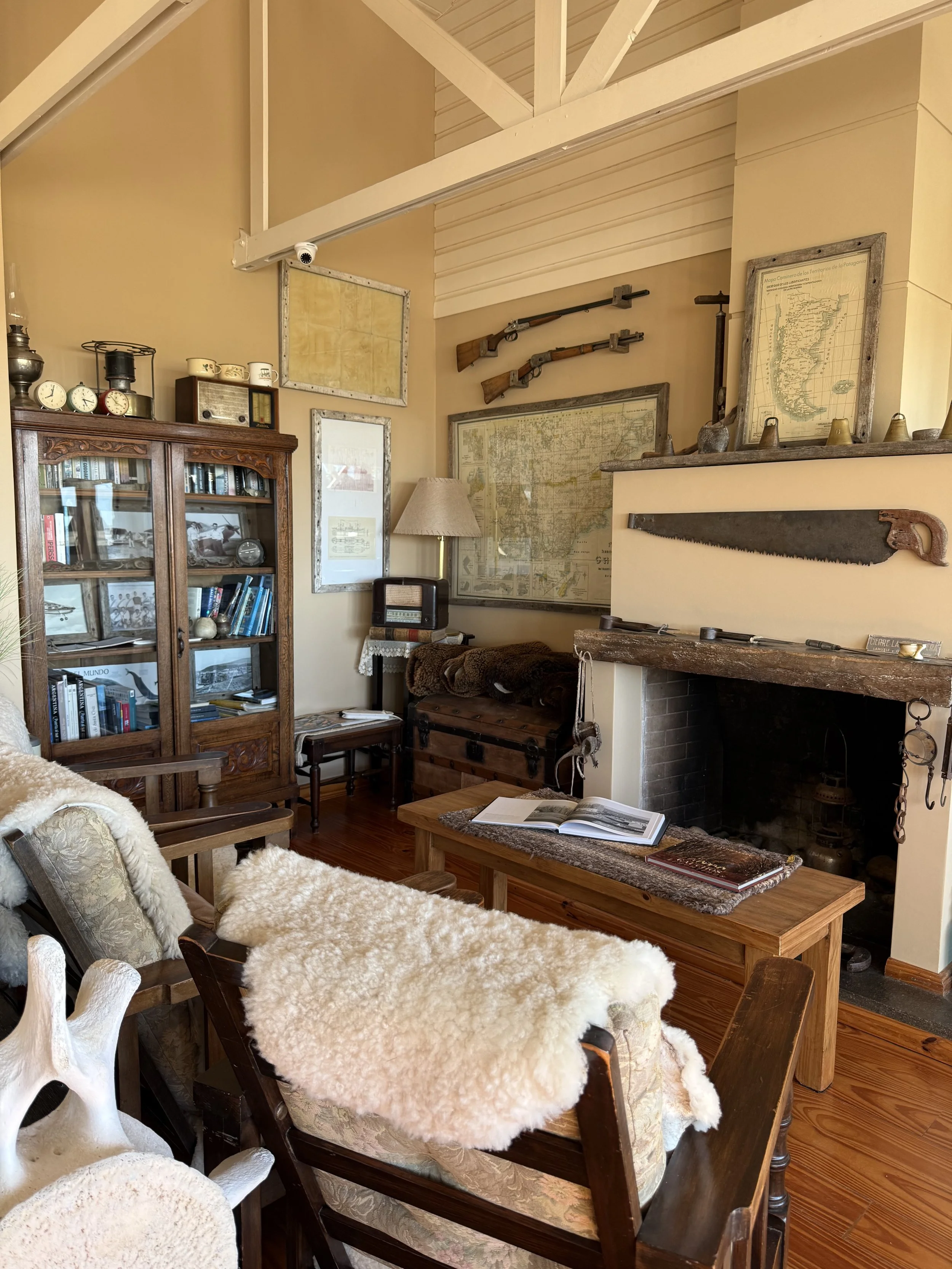
The drive in was the first bit of the experience. Once we got to the peninsula, we were on gravel roads for about 60km. We then had a 5km track from the road to the homestead where we would be staying. It was a relief to arrive with some evening daylight left, and to settle in to this cosy corner of the lounge for drinks before dinner.
The next morning dawned bright and clear and we were able to explore our immediate surroundings….
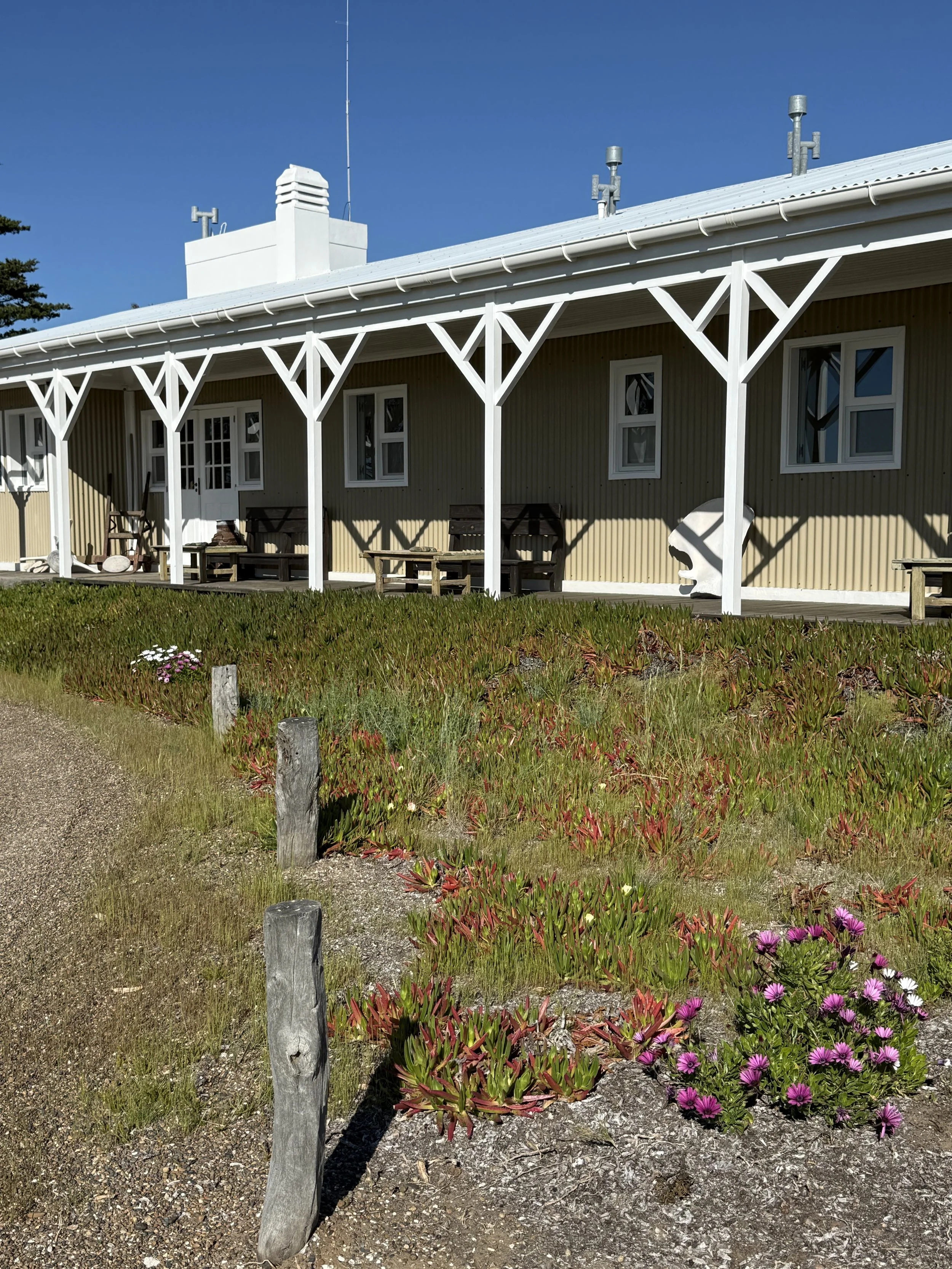
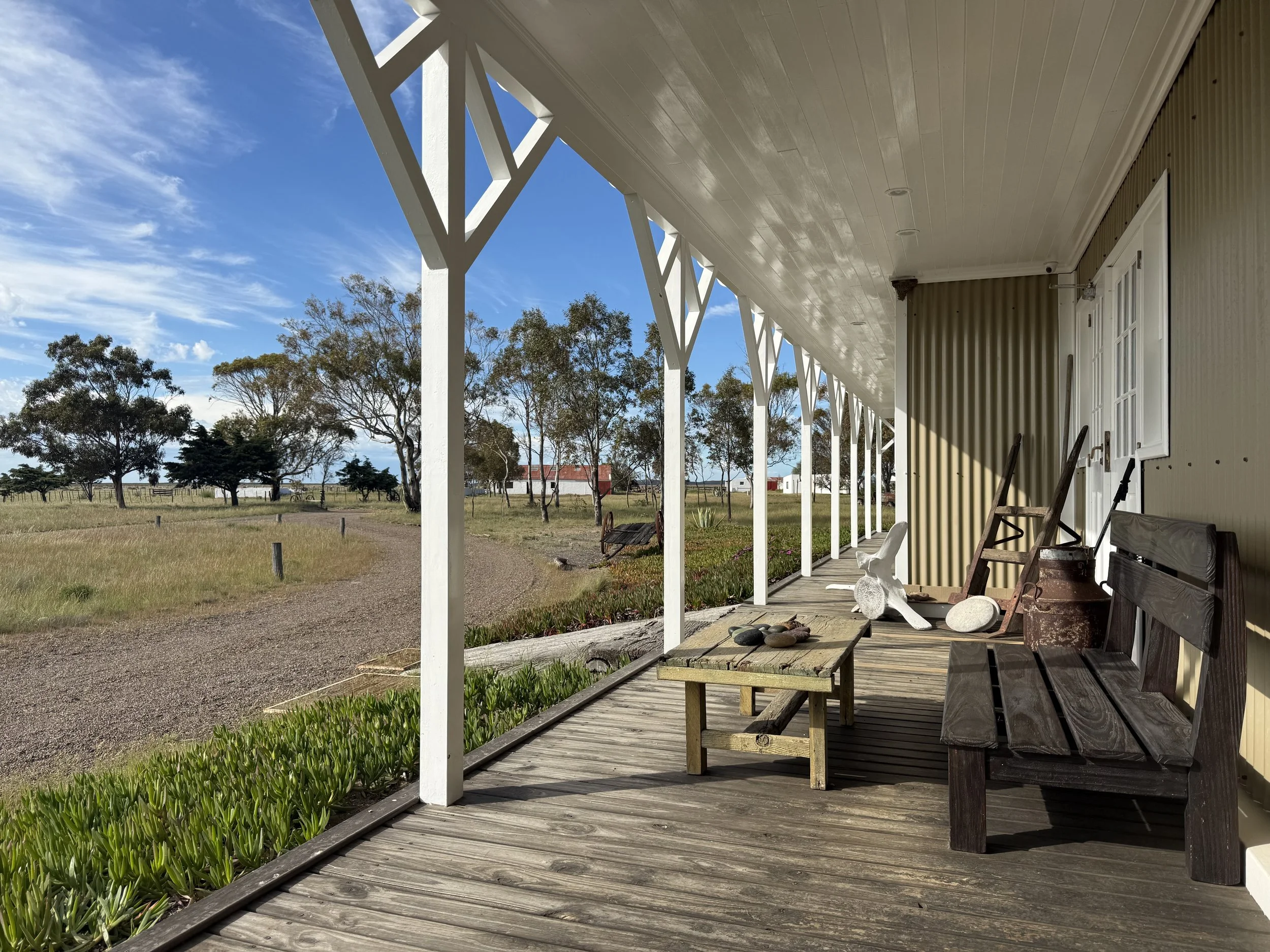
…before setting off with our guide to look at elephant seals from the cliff tops. Beautiful coastal scenery.
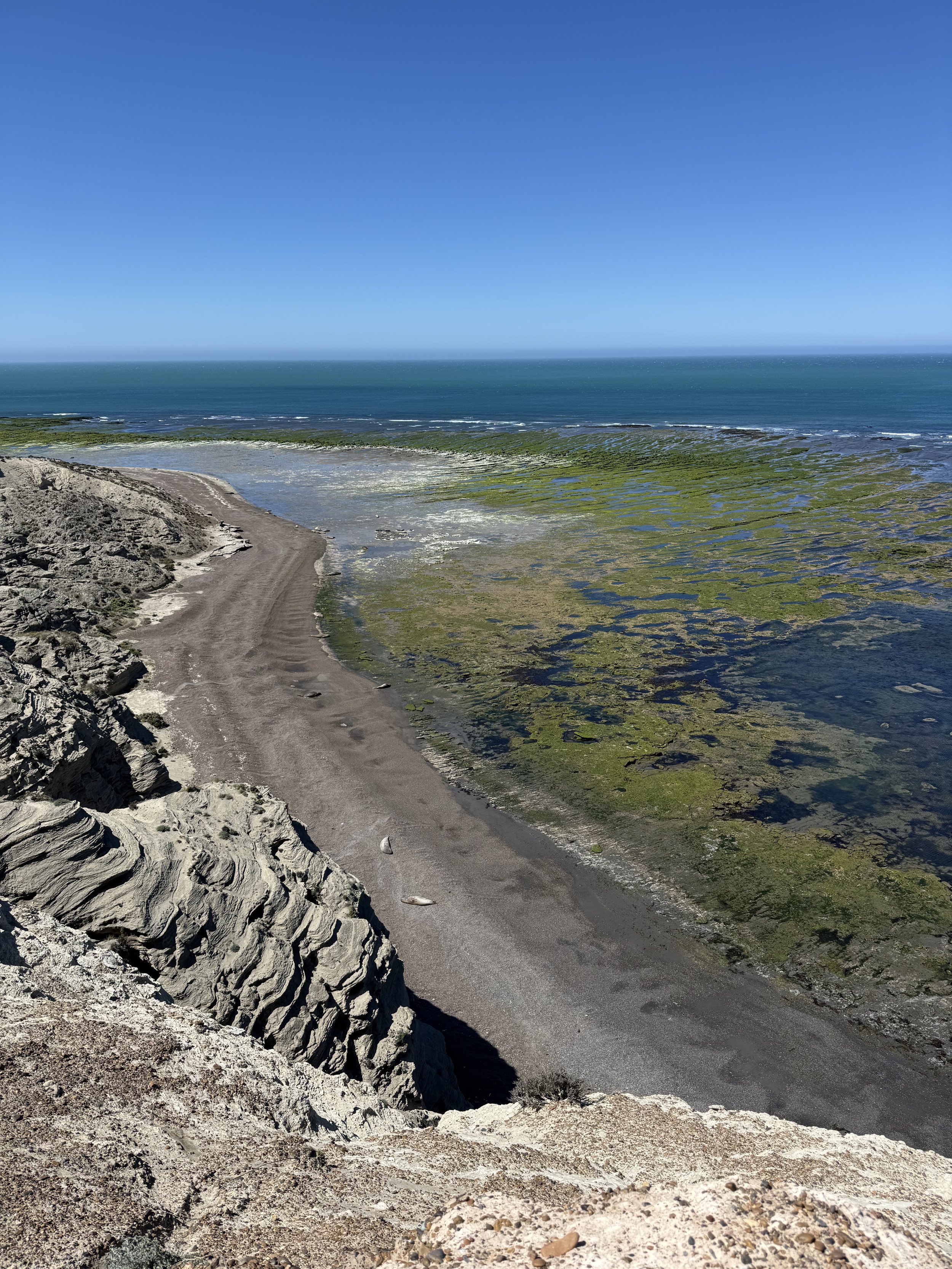
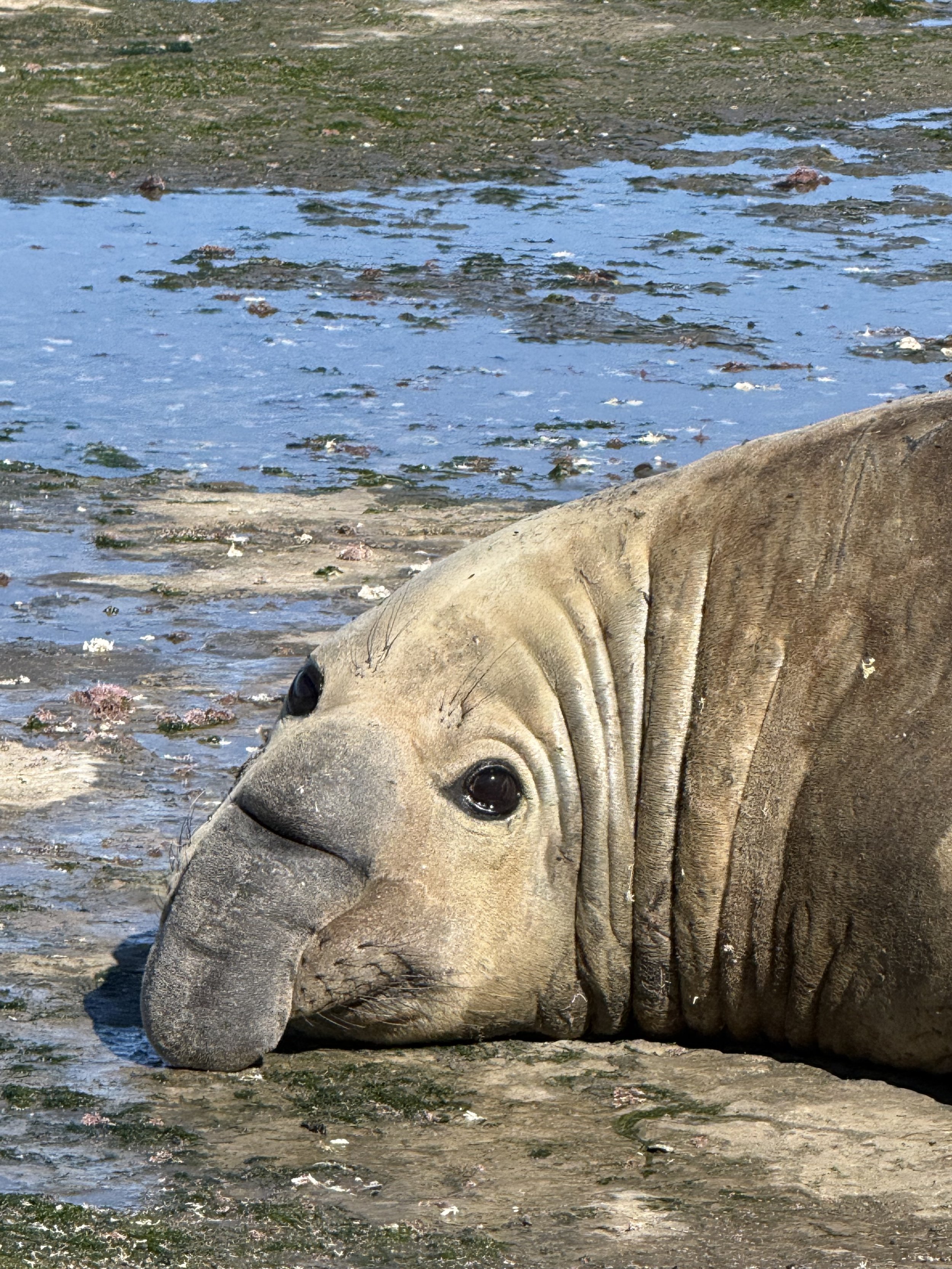
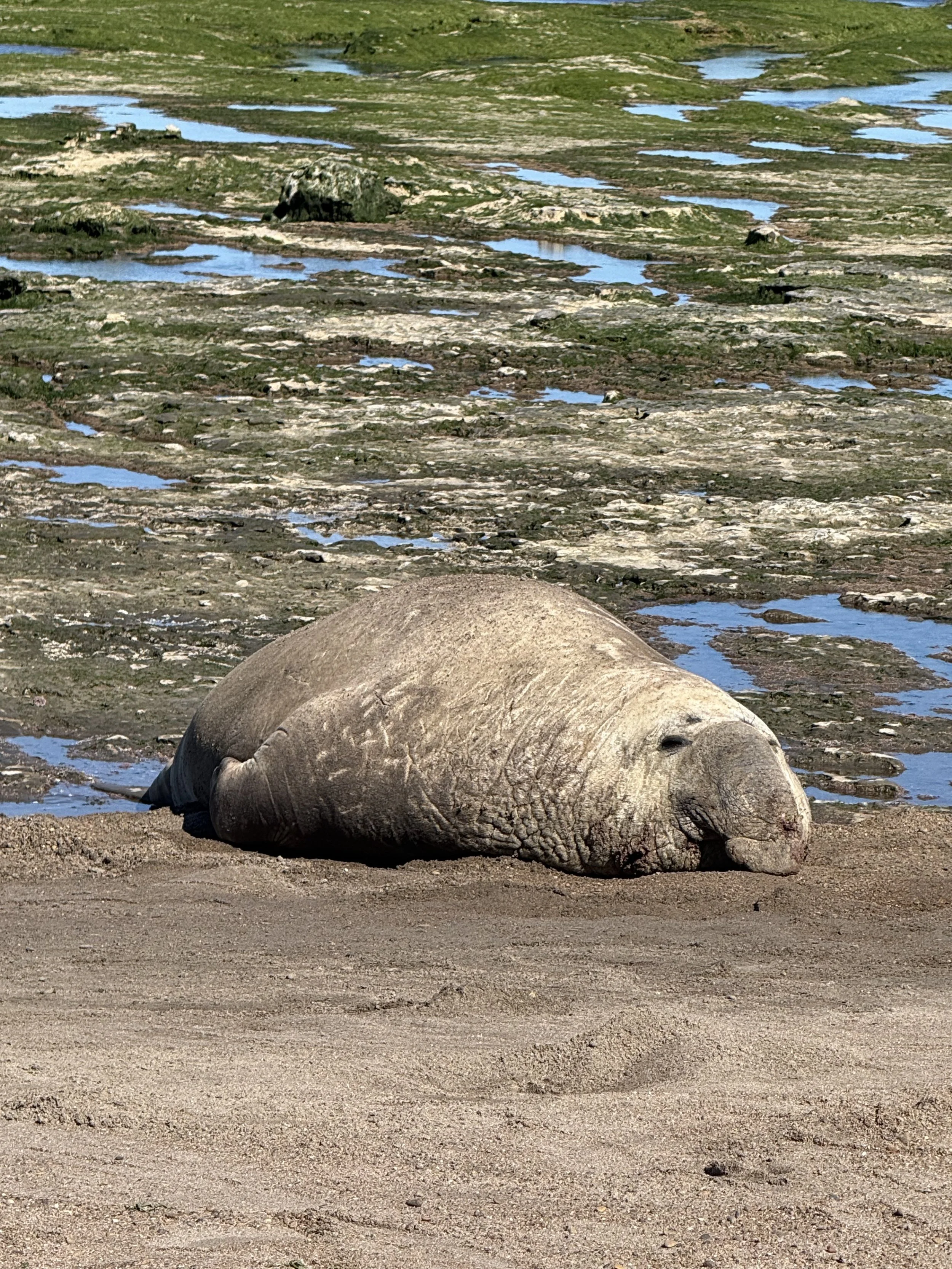
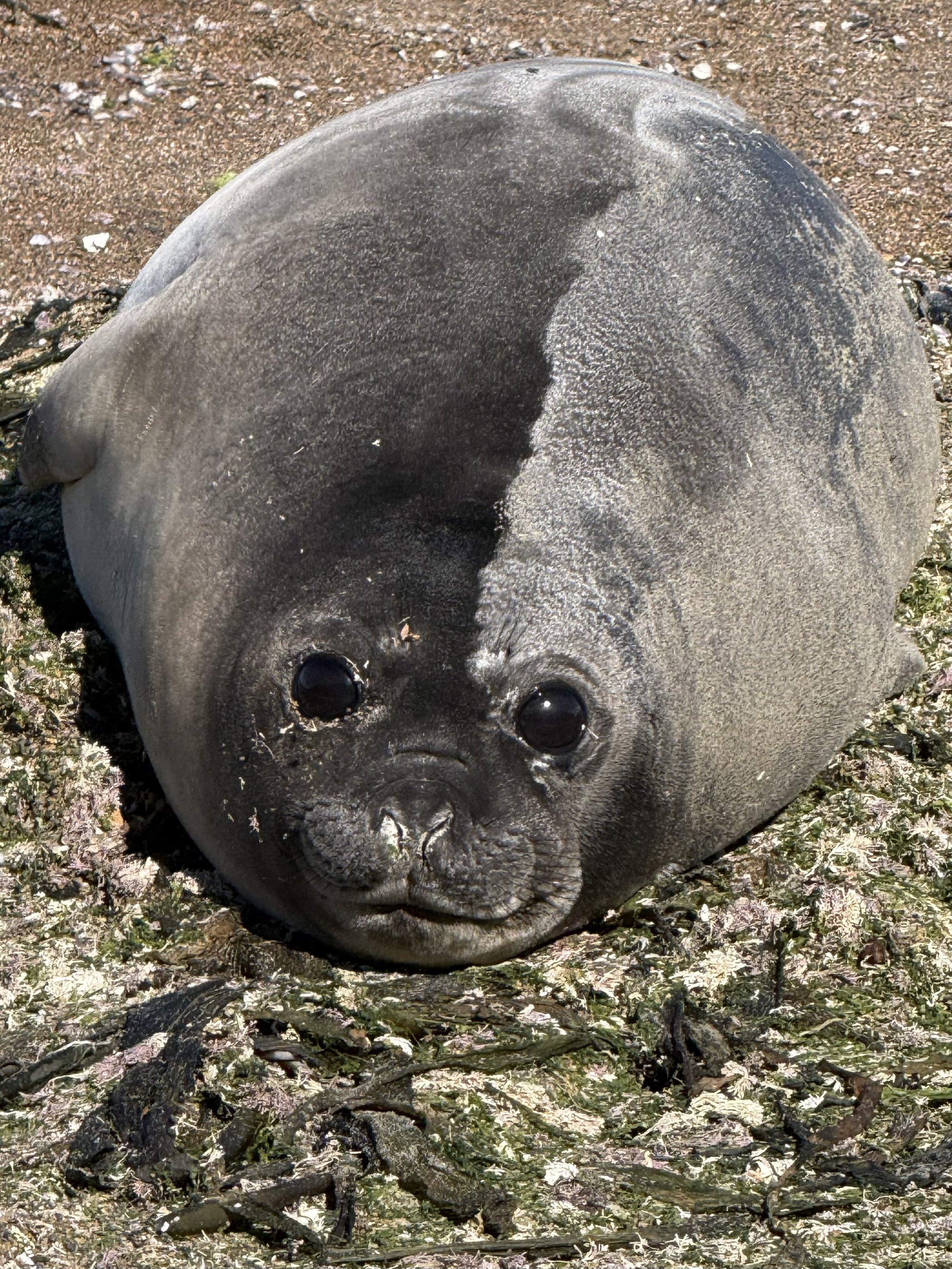
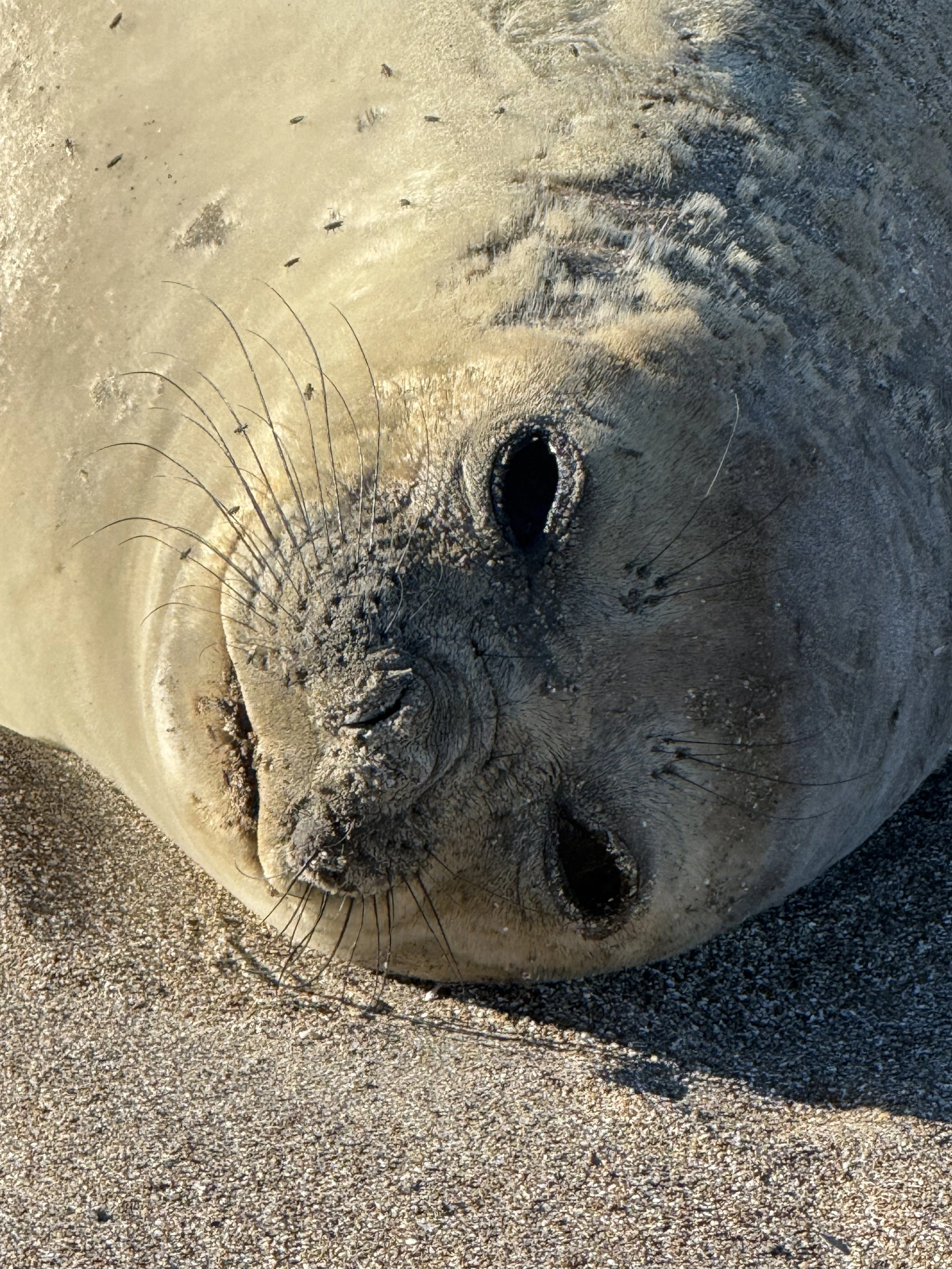
After several hours walking the cliffs and watching the elephant seals through binoculars, we returned to the homestead for lunch. In the afternoon, it was time to get closer, with a walk along the same beaches we had viewed from the cliff tops earlier.
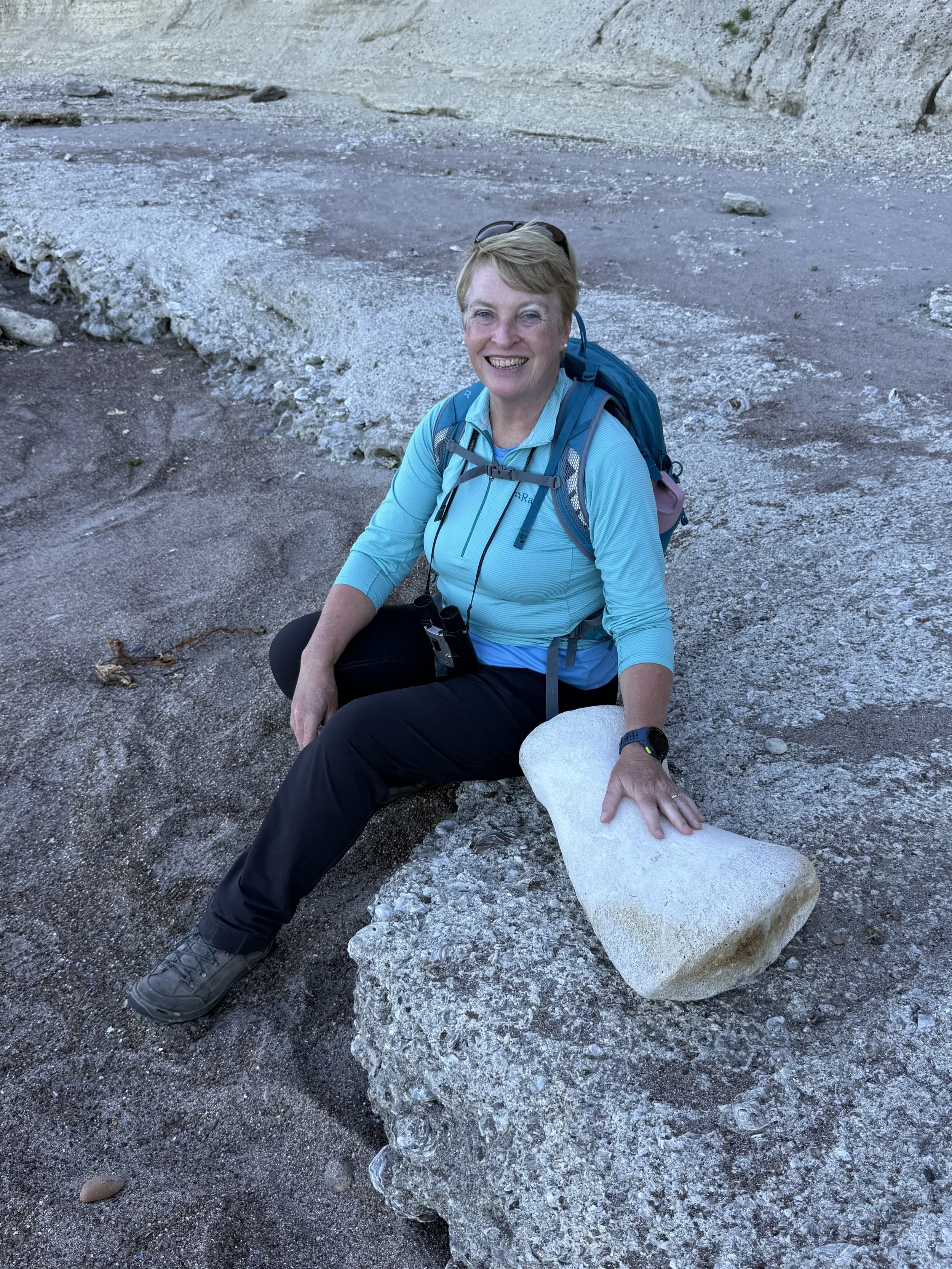
Our guide provided us with lots of fascinating information on the elephant seals. The beach was also littered with bones from dead sea lions, elephant seals and whales which Diana found particularly interesting as she was able to see the differences with human anatomy. A few of many photos of the seals below, plus one of Diana with a ‘finger’ / flipper bone from a whale.
We were driving back to the homestead at the end of our walk when our guide spotted a pod of orcas heading east along the shore. He had an idea where they were going and drove as quickly as possibly along the rough tracks to get ahead of them. We arrived just in time and were so, so lucky to see what the Pensinula Valdes is known for - a unique behaviour where the orcas strand themselves to take penguin pups off the beach. If you’ve seen it on TV, it was filmed here.
We had a brilliant view of the pod in action, but of course an iPhone isn’t good enough to do it justice. Fortunately our guide had a long lens and shared his photos after the event. A few below.
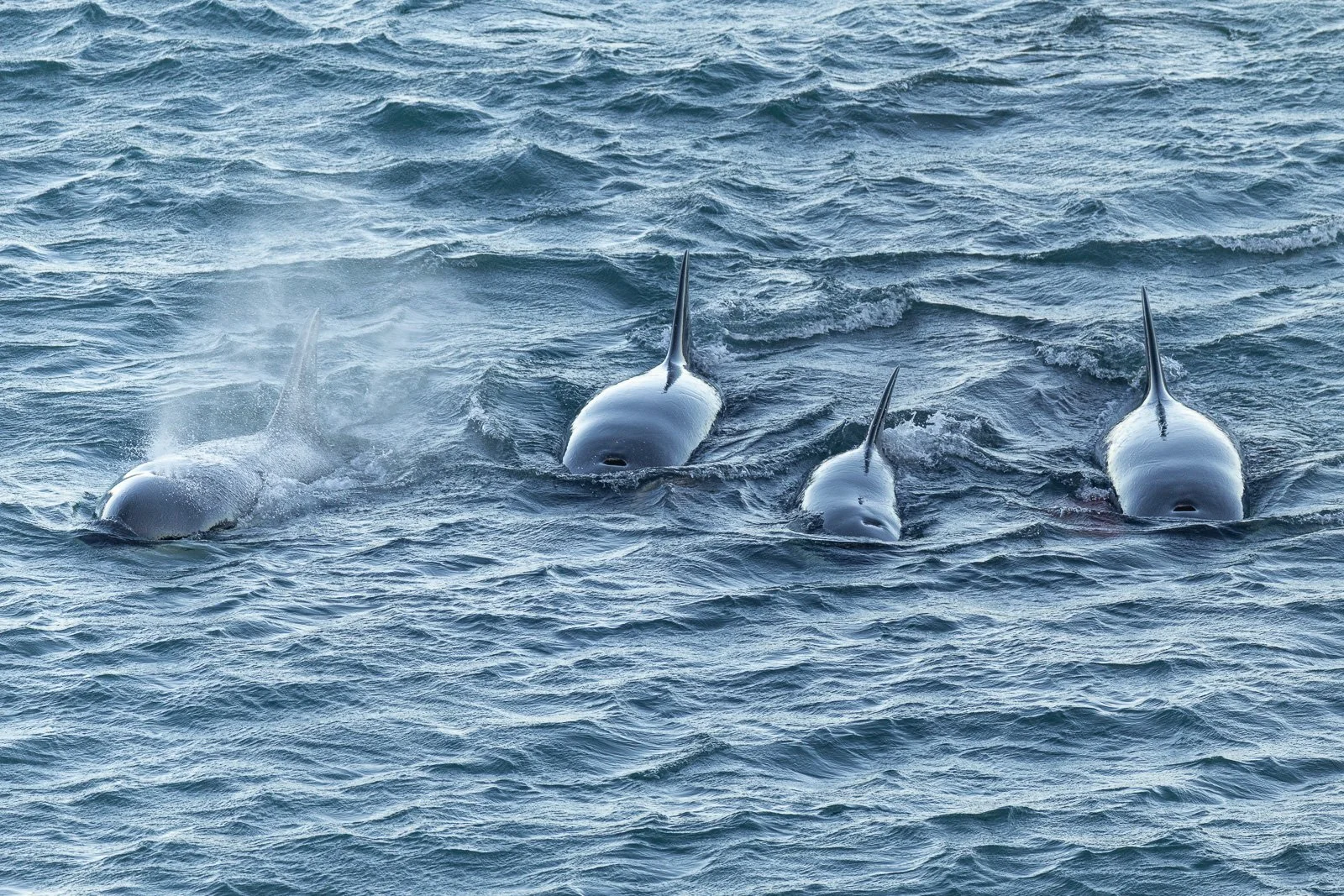
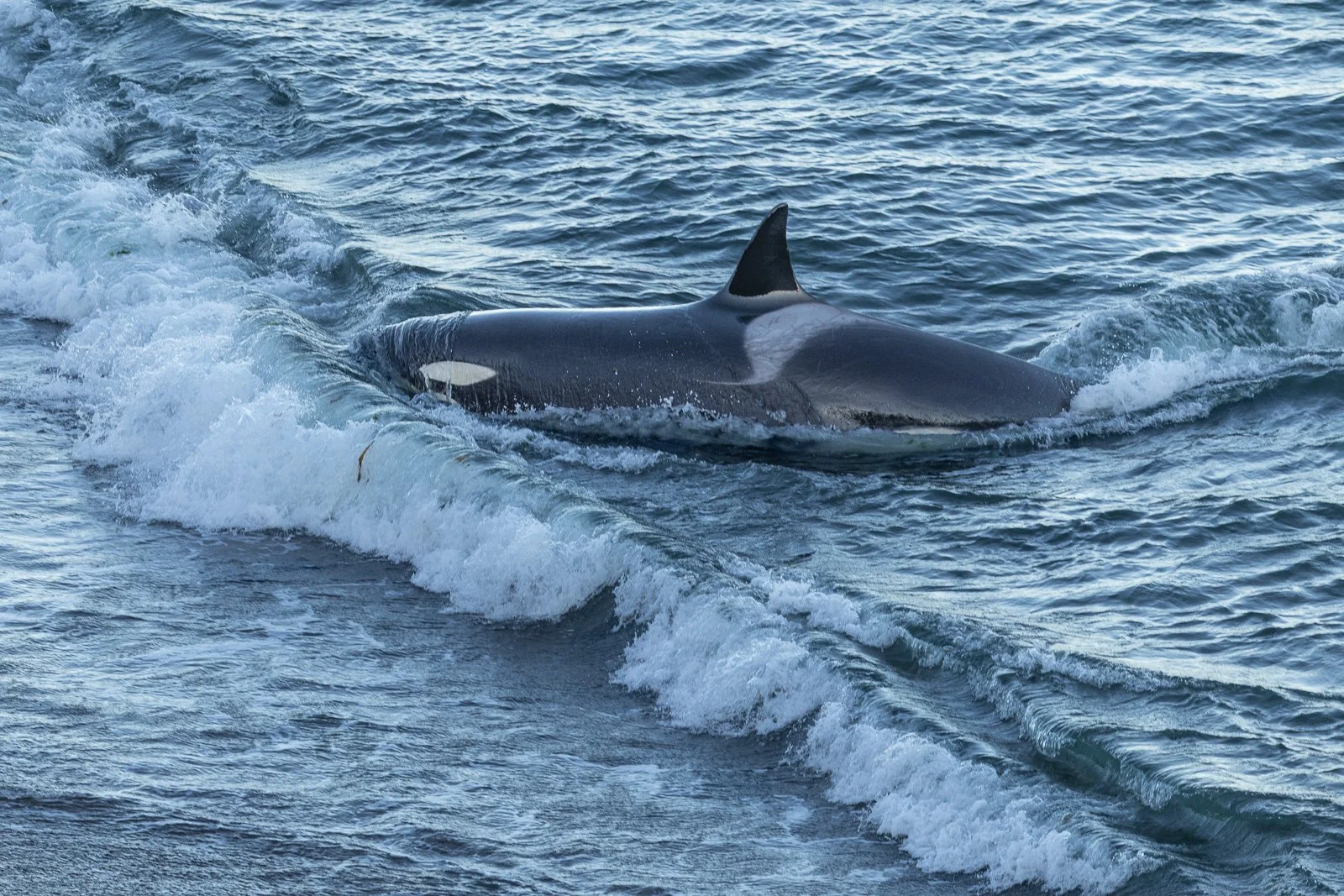
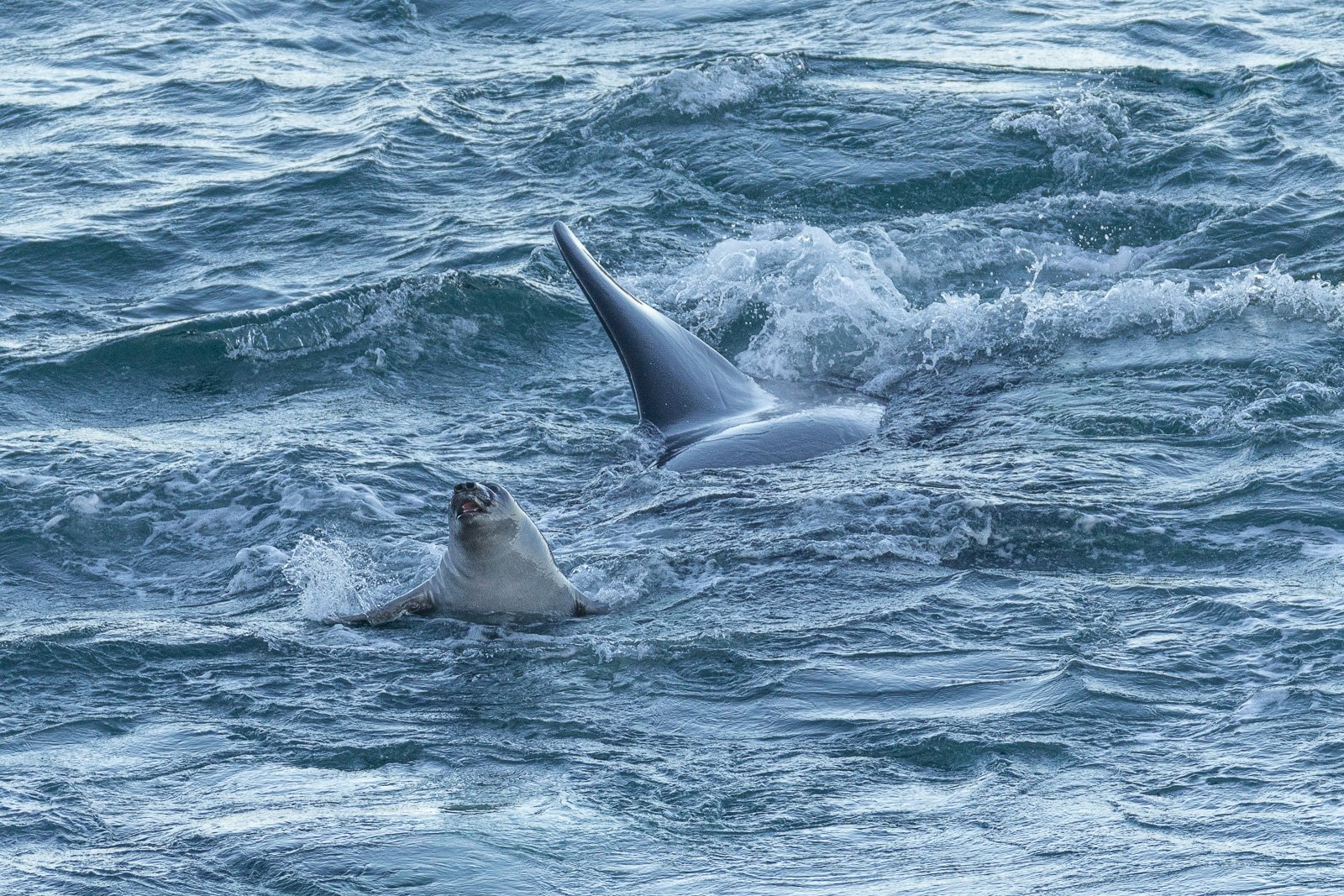
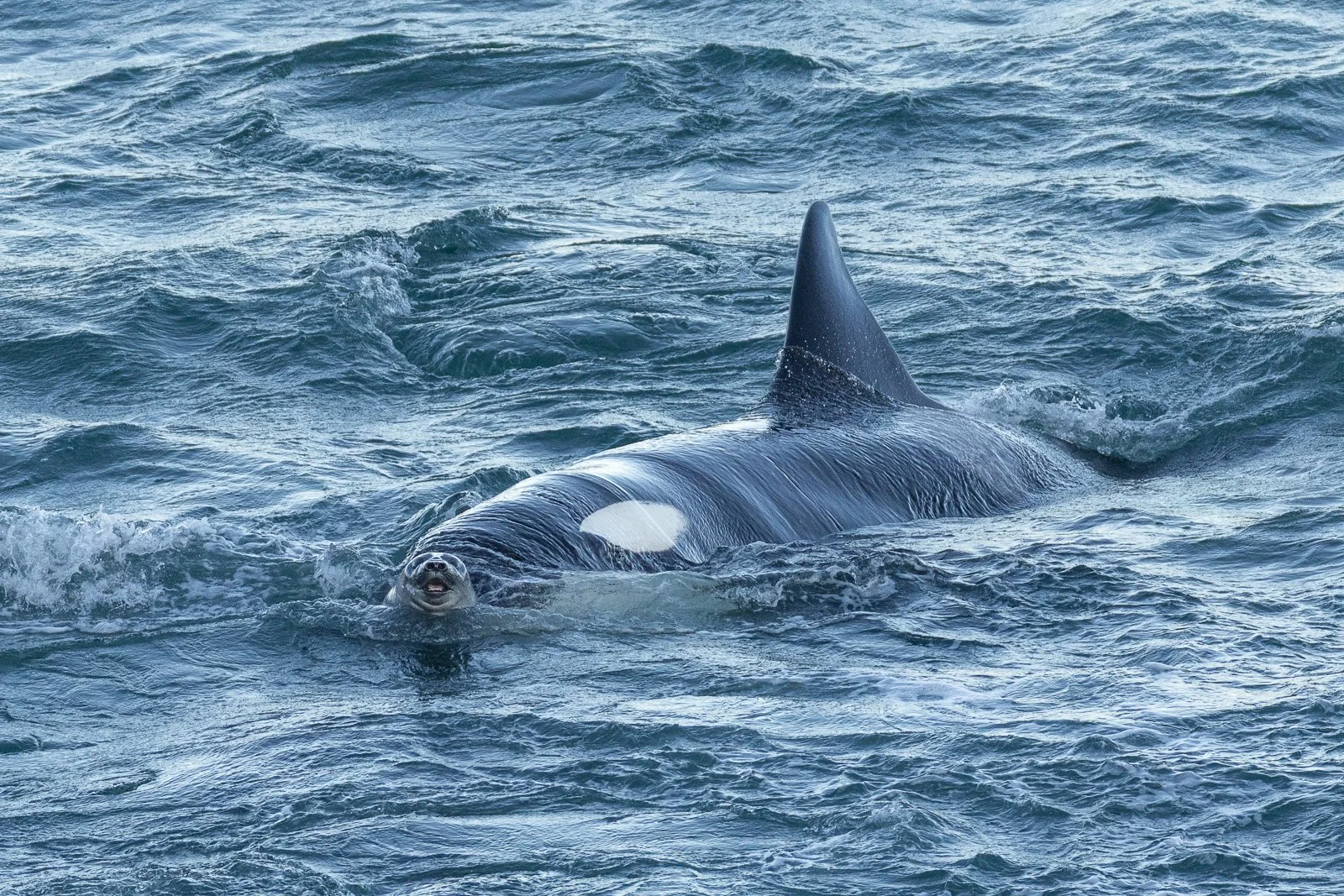
It was an extraordinary end to a great day.
A more sedate experience on our second day here. A drive north to see more of the Magellanic penguins that we had encountered in the Beagle Channel. We went first by minibus and then by all-terrain vehicle. We were provided with a picnic lunch so we could spend the whole day there. We were told that that penguins felt very comfortable around their nests and really wouldn’t be bothered by our presence - the opposite for those out on beach, who would feel exposed and from whom we should keep a good distance.
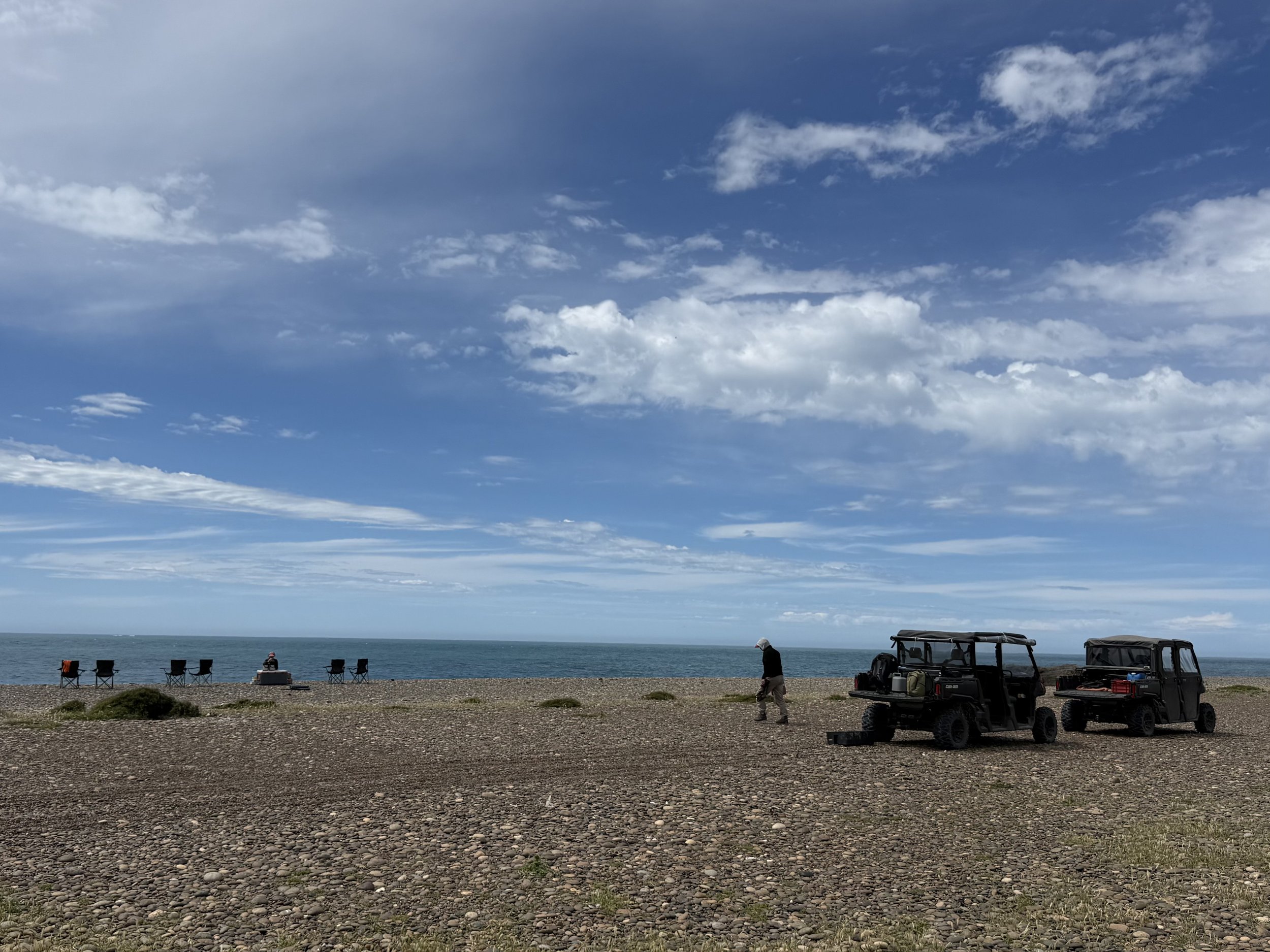
There are 300,000 pairs of penguins in the colony on this beach alone. The vast number can best be appreciated in summer when they congregate on the beach to moult. The beach was vastly less populated for our visit in Spring, as the penguins were nesting, with one parent incubating the eggs in shallow burrows and the other out at sea feeding. Those penguins on the beach were either coming or going from the nest or drying off, preening and re-oiling after their swim.
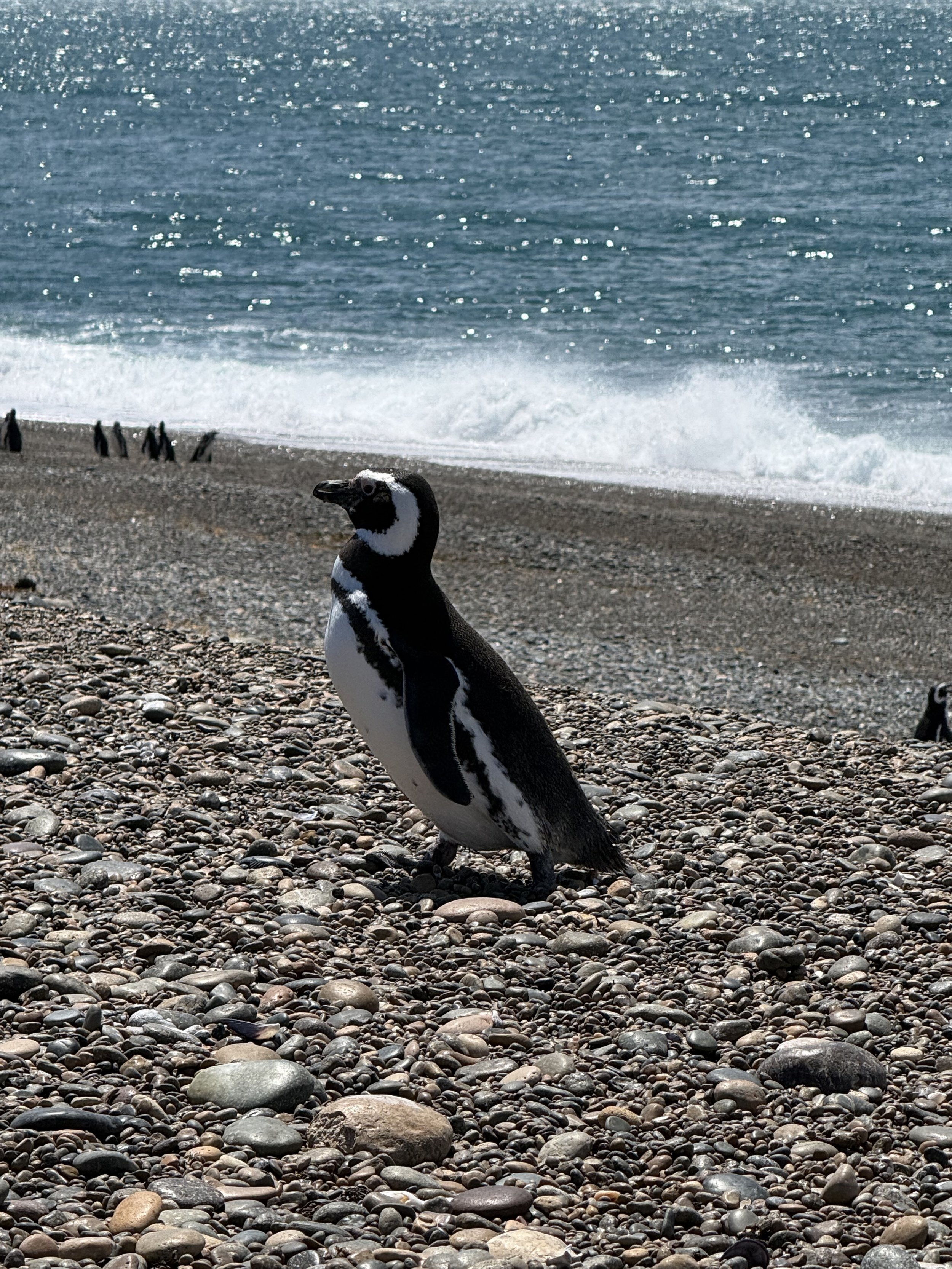
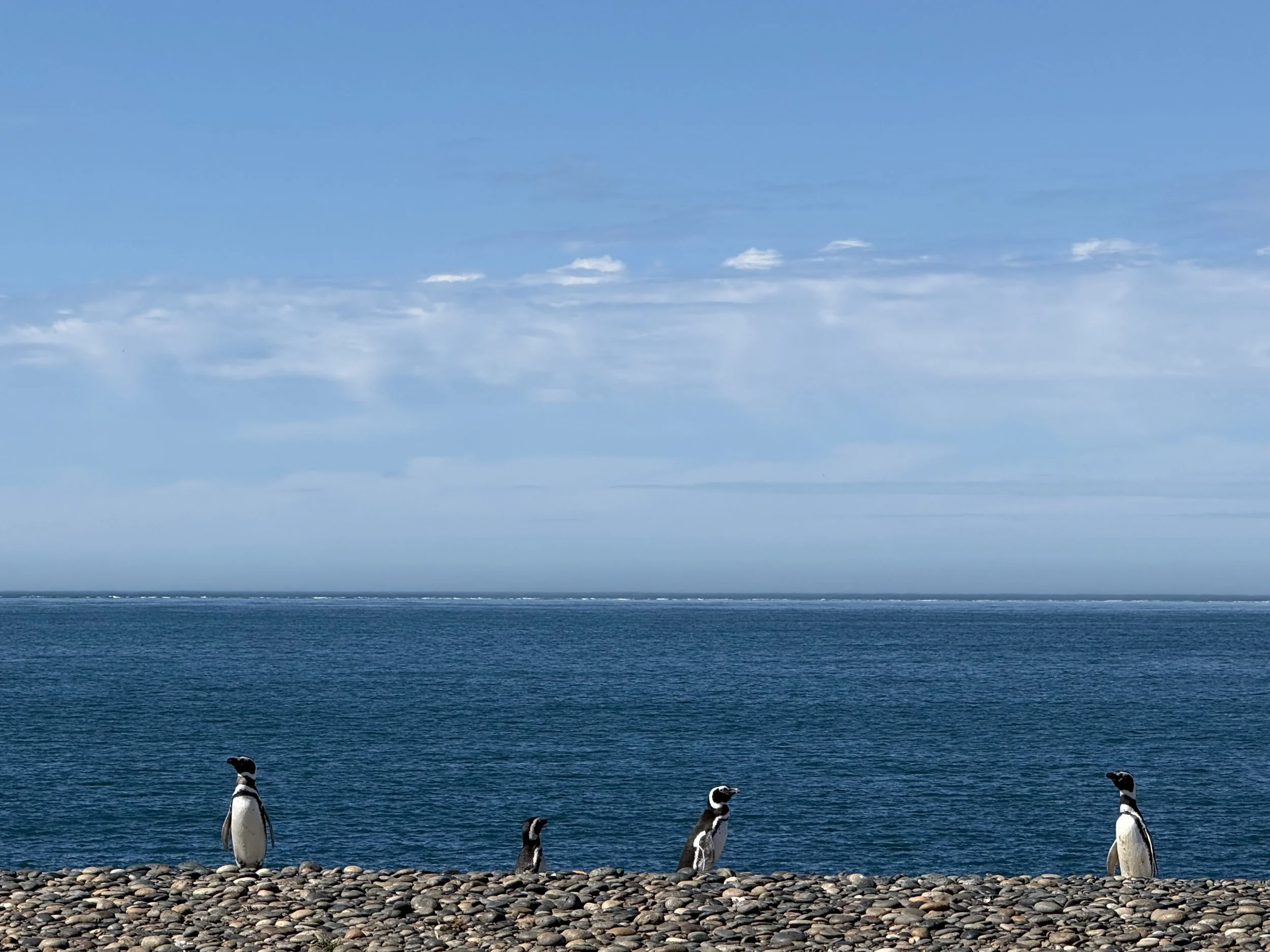
They lay two eggs. Most of the nests we saw only held one egg, so another one to come. You can see one egg being incubated by the penguin below.
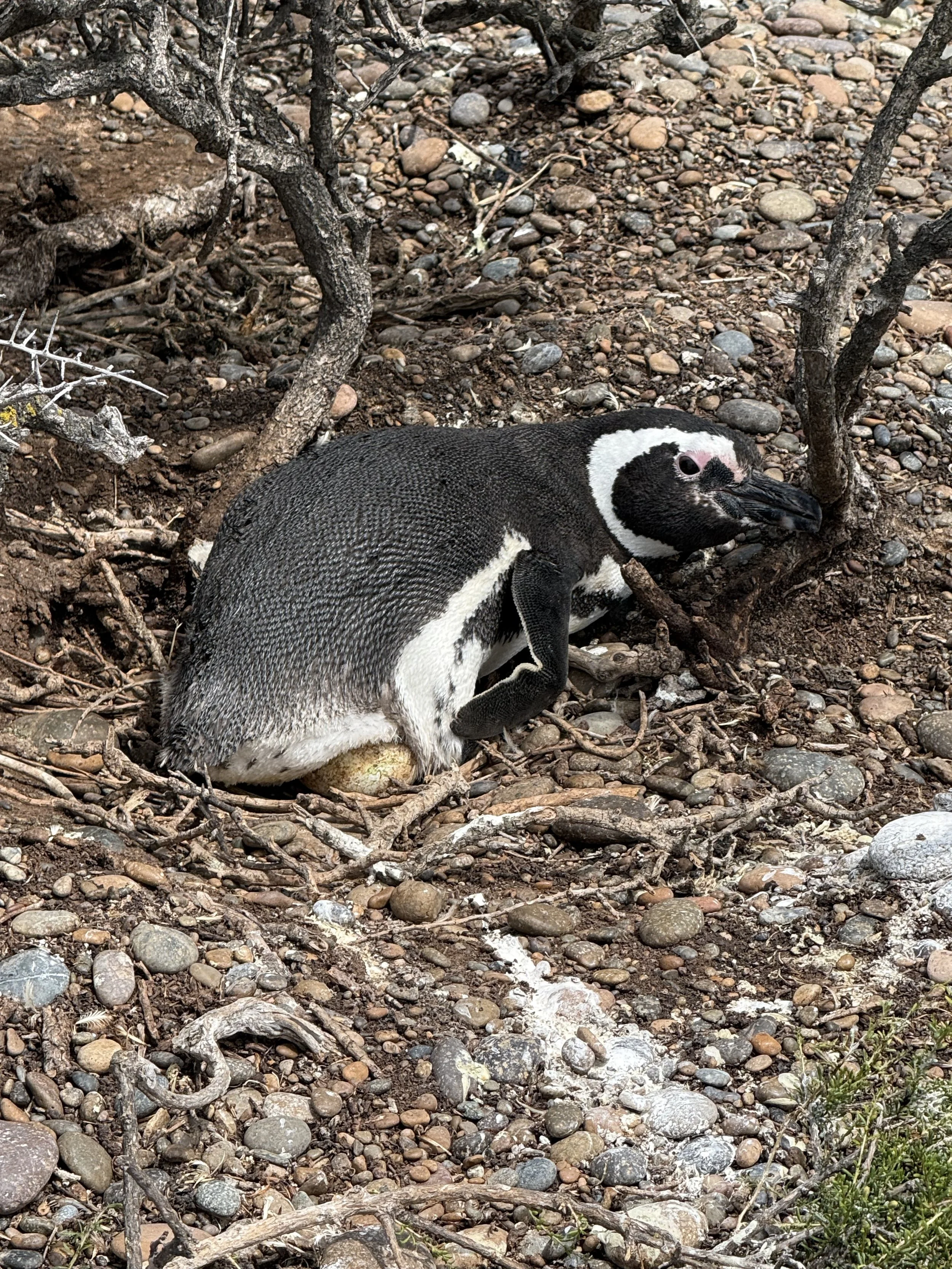
They were a joy to watch and the weather was very kind to us, so it was a very relaxing and enjoyable afternoon. To end the day, we had another orca sighting. The largest pod in the area numbers 11 whales, but sometimes pods travel together and we saw a total of 14 orcas travelling south only a few yards from the beach and then heading into deeper water where they were doing some great jumps and flips. A good way to end the day.
We have seen some incredible wildlife - elephant seals, sea lions, southern right whales, orcas; southern giant petrels, coscoroba swans, royal terns, turkey vultures, crested ducks, chimanga and crested caracaras, American oystercatchers, albatrosses and southern lapwings; mara, hares, guanacos, rheas, and skunks. We have been educated. And we have been very well looked after. A unique experience.